PhD Thesis Hans Smit: Fewer cleft births after screening
28-01-2026
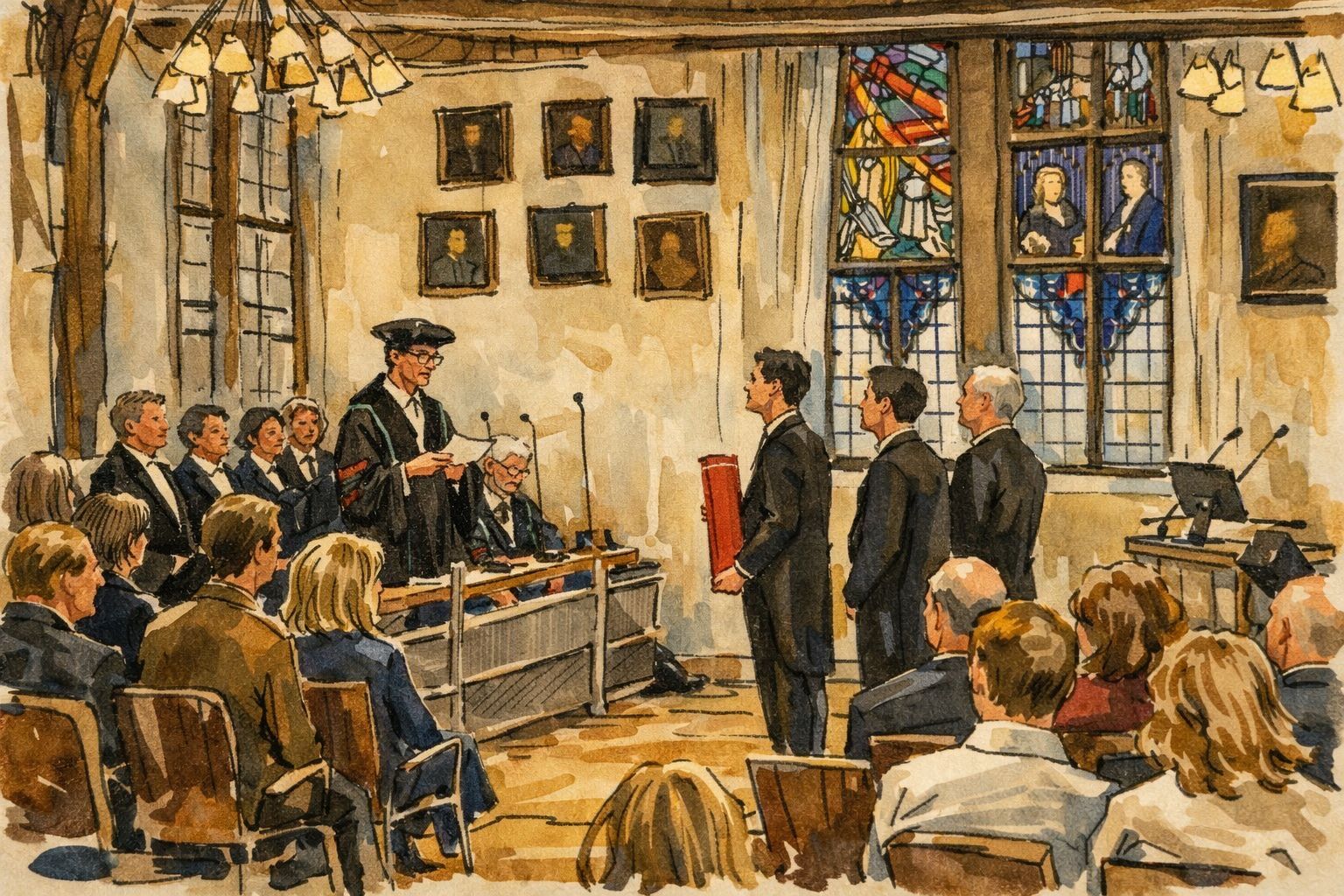
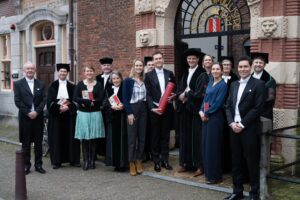
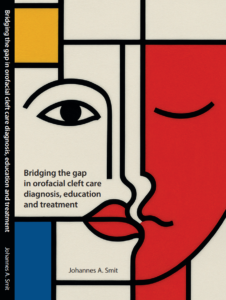
At the University of Amsterdam, Hans Smit of the Dutch Fetal Biobank team recently defended his PhD thesis, presenting nine publications on cleft lip and palate in the Netherlands. His research shows that since the introduction of the 20-week ultrasound, fewer children are born with a cleft lip, with or without cleft palate. This is notable, as these conditions are often treatable and many children achieve a good quality of life.
With the earlier introduction of the 13-week ultrasound and changes in reflection periods, anomalies are detected increasingly early. This development calls for careful attention to counseling, time for reflection, and informed decision-making. Screening is not only about technology, but also about how we organize care and support families.
At the same time, Hans demonstrates that submucous cleft palate is frequently diagnosed too late, often around three years of age. Earlier recognition could significantly improve speech and developmental outcomes.
Conducted partly during the COVID-19 pandemic, his work reflects resilience and adaptability. This dissertation contributes to an important societal discussion about prenatal screening, pediatric care, and our shared responsibility in guiding families through complex decisions.
Congratulations Hans!

Questionnaire: Help us understand pregnancy loss
Every year, millions of parents around the world experience the loss of a pregnancy, and yet, within…
Read more3D Embryo Neurovascular Atlas Published!
Karl Jacobs and colleagues have published a new paper in Life: Vascular Neuroembryology: The Genesis…
Read moreESHRE 2026 in London
This July, we attended ESHRE 2026 in London, one of the world’s leading events in reproductive scien…
Read more